
Stainless Welded Without Sacrificing the Finish
Stainless Steel Welding in Spartanburg for handrails, gates, fabrication, and repairs where surface appearance matters
Stainless steel is chosen specifically because it resists corrosion and holds its finish in visible locations, but both of those properties can be destroyed by improper welding technique. Weld Source Mobile Welding performs stainless steel welding in Spartanburg for fabrication, repairs, and handrail or gate work where the finished seam needs to match the surrounding surface. The owner welds personally as a licensed, insured mobile welder, arriving at your property so stainless components are not transported and handled twice—each handling cycle on an unfinished piece creates the risk of surface contamination that compromises the weld and the material around it.
Stainless loses its corrosion resistance in the heat-affected zone if the filler metal, shielding gas, and heat input are not matched to the specific grade being welded. The owner selects filler and shielding suited to the grade, keeps the joint surface free of ferrous contamination throughout the process, and controls heat to minimize the sensitization zone around the weld. Once the weld is run, the seam is finished to match the surrounding surface—whether that is a brushed, satin, or mill finish—so the repair or fabrication does not stand out as a visible patch on an otherwise consistent piece.
Describe your stainless project or repair and request a quote to confirm scope and materials before the visit is scheduled.
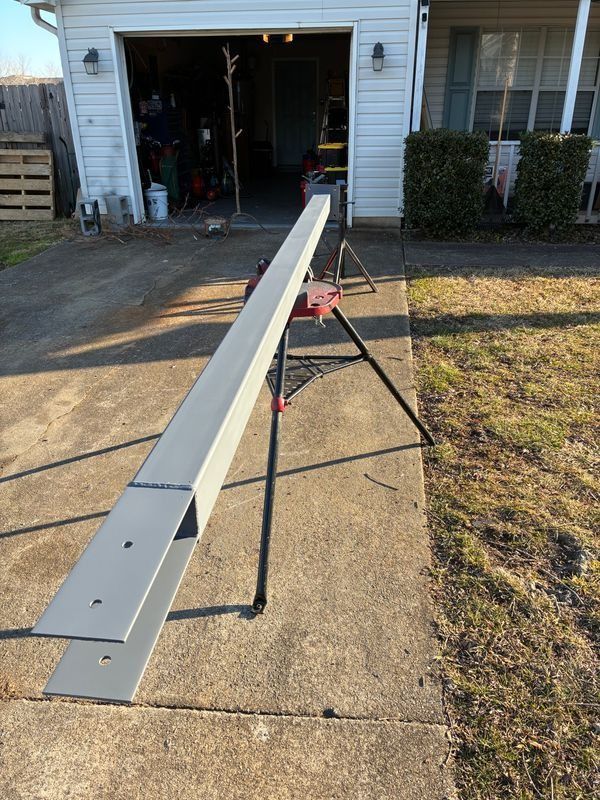
What Proper Stainless Steel Welding Requires
The most consequential decisions in stainless steel welding happen before the arc is struck: identifying the grade, selecting a compatible filler, and establishing that the joint surface and all tooling contacting the stainless are free of iron particles. Iron contamination from a grinder or wire brush that has previously been used on carbon steel will embed in the stainless surface and rust in place, creating a series of rust spots on a material that was selected specifically to avoid that outcome. Weld Source Mobile Welding uses stainless-dedicated prep tools to prevent this, and the joint is cleaned immediately before welding rather than in advance.
After welding and finishing, the completed joint will carry load at the structural connection, show a seam profile consistent with the surrounding surface, and maintain the corrosion resistance that makes stainless worth specifying in the first place. Property owners in Spartanburg who use stainless for exterior handrails, commercial kitchen fabrication, or decorative gates choose it because it holds its appearance over time—a weld that leaves a rough bead or a discolored heat zone next to the seam defeats that purpose entirely.
Scope and materials are confirmed in the quote before work begins, covering what grade is being welded, what finish is being matched, and exactly what the work includes. If the field conditions require an adjustment to the agreed scope, the owner discusses that before proceeding rather than billing for work that was not discussed in advance.
What Property Owners Ask About the Work
These questions address how stainless steel welding is performed on site, what preparation and finishing are involved, and what owners and contractors should understand before scheduling fabrication or repair work in Spartanburg.
Why does stainless steel require dedicated tools rather than the same equipment used for carbon steel?
Stainless must be kept free of iron particles throughout prep and welding. Grinders and wire brushes used on carbon steel leave embedded iron in the stainless surface, which rusts in place and creates the corrosion spots that stainless was specified to prevent. Dedicated tooling eliminates that contamination path entirely.
How is the filler metal chosen for a stainless steel repair or fabrication project?
The owner identifies the stainless grade—most commonly 304 or 316 in commercial and residential applications in Spartanburg—and selects a filler rod matched to that grade. A 304 base metal welded with 308L filler, for example, maintains the austenitic structure and corrosion properties of the base material. Using a mismatched filler changes those properties at the joint.
What does finishing the weld seam on stainless involve, and why does it matter?
After welding, the bead is dressed to match the surrounding surface finish—brushed, satin, or mill. This step removes the heat discoloration band beside the weld and blends the seam profile so it is not visually distinct from the rest of the piece. On a handrail or gate in a visible location, an unfinished weld seam is immediately noticeable against a polished or brushed surface.
How does on-site stainless welding prevent the handling damage that occurs when pieces are transported to a shop?
Each time an unfinished stainless piece is moved, it contacts other surfaces that may leave iron deposits or physical scratches. Welding on location means the piece is fitted, welded, and finished where it will be installed, and the only handling it receives is placement into its final position.
What types of stainless steel projects are typically completed on site in Spartanburg?
Common on-site projects include handrail fabrication and repair, gate frames and decorative panels, commercial kitchen equipment repairs, stainless column covers, and structural bracket replacements where the piece is already installed and removal would require significant additional work before any welding could begin.
Weld Source Mobile Welding also performs stainless steel welding in Greenville, Gaffney, Inman, Union, and Rock Hill. To discuss a fabrication or repair project in Spartanburg, call (864) 357-8278 and describe the grade, the application, and the finish you need matched.